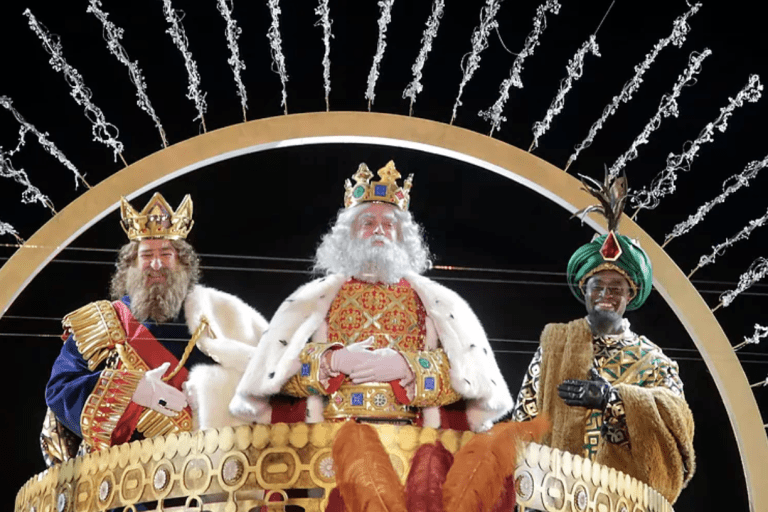

Every January 5th, as dusk falls across Spain, streets come alive with vibrant colors, cheerful music, and a palpable sense of anticipation. The “Cabalgata de los Reyes Magos,” or the Three Kings Parade, marks the eve of Epiphany and celebrates the arrival of the Three Wise Men—Melchior, Gaspar, and Balthazar—who brought gifts to the baby Jesus. This cherished tradition is a cornerstone of Spanish Christmas festivities, blending religious, cultural, and local customs into a magical night for children and families alike.
Origins of the Cabalgata

The Cabalgata de los Reyes Magos finds its roots in the Christian story of the Three Wise Men as narrated in the Gospel of Matthew. They traveled from distant lands, guided by a star, to present gifts of gold, frankincense, and myrrh to the newborn Jesus in Bethlehem. Over time, the Wise Men—referred to as “los Reyes Magos” in Spanish—became central figures in Epiphany celebrations, symbolizing generosity and wonder.
The modern Cabalgata tradition originated in 1885 in the Andalusian city of Alcoi (Alicante), where the first documented parade took place. Alcoi continues to hold one of Spain’s most elaborate and historical parades, blending theatrical elements with heartfelt homage to this sacred story.
The Magic of the Cabalgata Across Spain

Each Spanish city and community brings its unique flavor to the Cabalgata, reflecting regional cultures, traditions, and histories. Here’s how this magical event unfolds in different parts of Spain:
Madrid
In the capital, the Cabalgata is a grand affair. The Three Kings parade through the city center on lavishly decorated floats accompanied by performers, musicians, and dancers. The event, which attracts thousands, culminates in Plaza de Cibeles, where a spectacular fireworks display lights up the winter night. Madrid’s parade also emphasizes inclusion, with floats and messages promoting diversity.
Barcelona
Barcelona’s Cabalgata starts at the city’s port, where the Three Kings arrive by boat. They then proceed through the city on an awe-inspiring procession featuring artistic and avant-garde floats, blending Catalan culture with the festive atmosphere. Children eagerly await the candies thrown from the floats.
Sevilla
In Sevilla, the Cabalgata is deeply tied to the city’s rich cultural heritage. It begins with a religious tone, with blessings offered to the parade participants. The floats are adorned with traditional Andalusian motifs, and Sevillanos join in with flamenco-inspired music and dance. The parade in Sevilla is one of the largest, lasting several hours.
Granada
Granada’s Cabalgata has a unique charm, set against the backdrop of the Alhambra. The parade often incorporates elements of Moorish and Andalusian history, reflecting the city’s multicultural past.
Alcoi (Alicante)
Alcoi’s Cabalgata, known as the oldest in Spain, is steeped in tradition. Known as the “Cabalgata dels Reis Mags,” it includes live re-enactments of the arrival of the Wise Men, accompanied by a large entourage of pages who deliver presents to children using ladders to reach balconies.
Bilbao and the Basque Country
In the Basque Country, the Cabalgata features unique elements, such as the inclusion of Olentzero, a traditional Basque character who brings gifts on Christmas Eve. The Three Kings share the stage with this beloved figure, creating a blend of Basque and Christian traditions.
Canary Islands
The Cabalgata in the Canary Islands benefits from the region’s mild weather, making it a distinctly open-air celebration. In cities like Las Palmas and Santa Cruz de Tenerife, the parades are accompanied by tropical music and even camels, symbolizing the desert journey of the Wise Men.
Shared Elements of the Celebration

Despite regional variations, several elements unite Cabalgatas across Spain:
- Floats (Carrozas): Each King is seated on an opulent float, accompanied by retinues of pages and attendants.
- Candy (Caramelos): The throwing of candies to the crowd is a highlight, with children scrambling to catch the sweet treats.
- Letters to the Kings: Children bring their letters of wishes to the parade, hoping the Kings will fulfill them by delivering gifts overnight.
- Live Performances: The parades often feature acrobats, stilt walkers, dancers, and musicians to heighten the festive atmosphere.
A Tradition of Joy and Generosity
After the Cabalgata, families return home to prepare for the arrival of the Three Kings. Shoes are left out by the door, filled with hay or treats for the Kings’ camels. By morning, children find gifts (if they’ve been good) or coal-shaped candies (if they’ve been mischievous). The day of Epiphany, January 6th, is marked by a festive meal, often featuring “Roscón de Reyes,” a sweet bread with hidden surprises baked inside.
The Cabalgata’s Enduring Legacy

The Cabalgata de los Reyes Magos is more than just a parade—it’s a celebration of faith, generosity, and cultural unity. It brings communities together, igniting joy in children and nostalgia in adults. As the floats roll through the streets, they carry not just the story of the Three Kings, but also the enduring spirit of a tradition that continues to enchant Spain year after year.
Whether you’re a curious traveler, a culture enthusiast, or simply looking for a magical experience, the Cabalgata de los Reyes Magos is an event you won’t want to miss. 🌟 Witnessing the parade in person is a feast for the senses—a spectacular display of lights, music, and joyful anticipation that will leave you spellbound.
Bring your children to share in the wonder of catching candies and meeting the regal Three Kings, or attend on your own to immerse yourself in the vibrant traditions of Spain. Each city offers a unique version of the Cabalgata, so whether you’re enchanted by the grandeur of Madrid, the artistic flair of Barcelona, or the historical charm of Alcoi, there’s a celebration waiting for you.
This is more than a parade—it’s a moment to connect with a rich heritage, to feel the magic of Epiphany, and to create memories that will last a lifetime. So, mark your calendar for January 5th and join the festivities. Whether with family, friends, or as a solo adventure, the Cabalgata promises a night of joy, wonder, and the timeless spirit of giving.